- January 6, 2026
- By: Admin@@SMiles0fviEr@
- No Comments
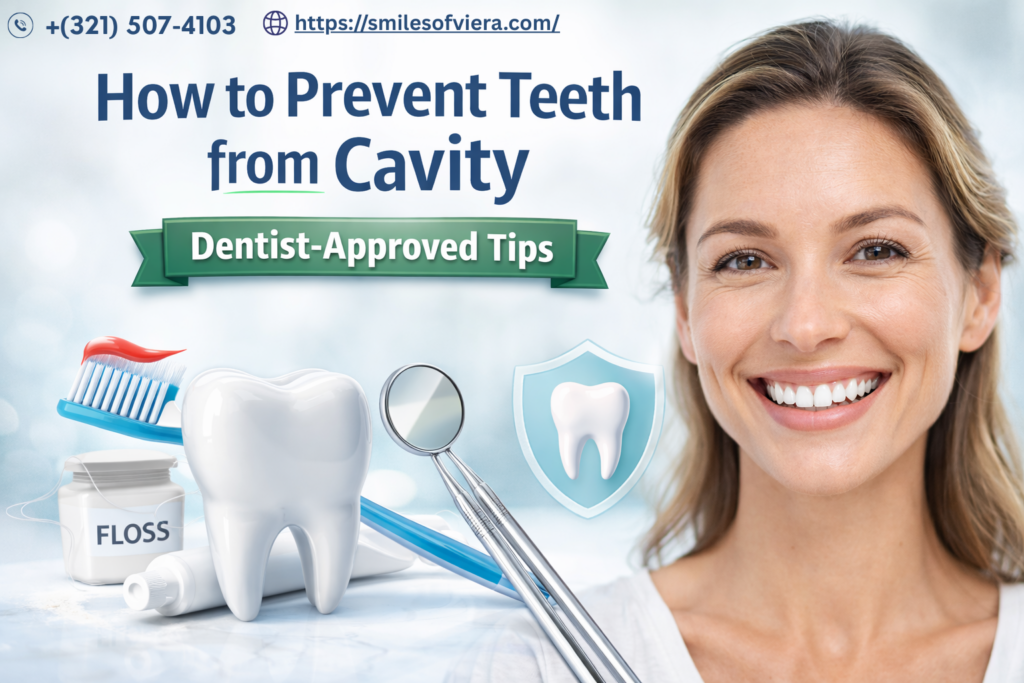
How to Prevent Teeth from Cavity: Dentist-Approved Tips
One of the most common dental problems affecting people of all ages is tooth decay, also known as a cavity. Knowing how to prevent teeth from cavity at a very young age would save your natural teeth, shield your smile, and diminish the chances of future unpleasant dental complications. Holes appear as a result of the degradation of enamel, or hard protective layer of your teeth, by acids created by bacteria which live in your mouth and feast on old food particles. These minor problems would be left to develop into extensive decay, resulting in sensitivity, pain, or even an infection. Prevention has its secret in staying strong and healthy (in your teeth) as long as you live.
How to Prevent Cavities From Getting Worse?
Even the smallest crack may become worse when not treated on time. When the enamel starts decomposing, the bacteria can enter the deeper parts of the tooth and ultimately the dentin and the pulp. This causes more excruciating pain and more chances of having to have fillings or root canals, or even loss of a tooth.
The first symptoms that may alert you that your cavity is deteriorating are sensitivity of the tooth, slight pain on the chewing side or discoloration of the tooth. These signs play a vital role in the prevention of more severe dental problems by detecting such signals.
Routine check-up and control are required. To get instructions on how to identify the warning signs, refer to the signs your tooth problem is getting worse. It is so much easier to treat a cavity at the initial stages and save your smile in the long run.
What Causes Cavities and Enamel Damage
To avoid tooth cavities, it is important to understand the root causes of tooth decay to prevent teeth from cavities in the long term. Some common causes include:
- Plaque accumulation: Sticky bacteria coat fall on the teeth and cause acids that dissolve enamel.
- Sweet and acidic foods: Candies, soft drinks and acidic drinks are a heavy contributor to the enamel weakening process.
- Ineffective brushing: Good brushing is essential; otherwise, food particles can be left behind on the tooth, which is an excellent source of food for harmful bacteria.
- Dry mouth: Saliva neutralizes acids, as well as washes away bacteria; its deficiency leads to a higher risk of cavities.
By responding to these consequences, you can do a lot of good to prevent cavities and have healthier and stronger teeth.
How to Prevent Cavities and Tooth Decay
What you can do daily is to do something proactive to prevent the decay of your teeth. Dentists recommend the following habits to minimize the development of cavities:
Brushing style: a good style is to brush at least two times a day, not less than two minutes, with circular movement.
Flossing daily: Flossing helps get the food and toothbrush in between teeth where the toothbrush can not reach.
Fluoride toothpaste: Fluoride builds strength in enamel and assists in restoring the initial result of death.
Dental check-up: Time-by-time professional check-ups identify early cavities, and preventive care can be administered before the problem becomes severe.
To find more suggestions on how to keep your mouth healthy, visit our article about the health of the gum health and cavities prevention.
Regular in-home care and professional counselling will greatly reduce the chances of tooth decay.
Daily Habits That Help Prevent Cavities
Simple routines in a day will help in a high difference in cavity prevention:
Brushing twice a day: This is a cornerstone in ensuring the teeth are clean and devoid of any plaque.
Brushing between teeth: Floss (or cleanse the interdental space) in order to remove the food.
Water after meals: Water aids in the removal of the sugars and acids, which are harmful to enamel.
Reducing the use of sweets: Snacking between meals on sweet foods exposes the teeth to more acid, which causes decay.
These practices are always useful at preventing cavities, preventing tooth deterioration, protecting tooth enamel and maintaining a healthy and cheerful face.
When to See a Dentist for Cavity Symptoms
Cavities may occur even due to positive oral care. A dentist will detect at an early stage, hence before more serious problems become part of the problem. You are to visit a dentist if you have noticed:
- Tooth sensitivity or pain
- Discomfort while chewing
- Dark spots or holes on teeth
- Persistent bad breath
The prompt intervention of complications can be avoided by the early detection of these symptoms and the timely provision of treatment. Discover more regarding symptoms of dental pain you shouldn’t ignore.
to act early enough before small things are set to become big problems.
Professional Dental Care to Prevent Cavities
Besides the in-home care, there are professional dental services in addition, which are vital in preventing cavities.
Dentists can offer:
Professional cleaners: Scales off the hardening of plaque (tartar) which cannot be removed by regular brushing of the teeth.
Cavity early detection: The X-rays and examinations detect cavities at their early stages.
Prevention therapy: Fluoride and sealants provide the strength to the teeth and no future risk.
Individualized treatment plans: Dentists provide individually tailored care using your specific needs regarding oral care.
Regular professional care is the surest way of having the best defence against cavities. It may be a good idea to take a look at Smile of Viera dental services to prevent oral health holistically.
Conclusion
Teeth cavity can be prevented by means of consistent mouth care, good daily habits and routine check-ups with the dentist. Prevention is faster than treatment, as your teeth will not be painful, decayed, and expensive to treat later. Through knowledge on cavity reasons, adherence to preventive measures and consultation, you can not only have a healthy and confident smile in years to come but also gain knowledge on the reasons behind cavities and how to prevent them. Begin now to save your teeth and have the benefits of long-life oral health.
