Dental Cleaning Tips and Tricks for Better Oral Health
Most people think brushing their teeth twice a day is enough. It’s a good start—but it’s not the full picture.
Good dental cleaning is about building small, consistent habits that actually protect your teeth over time. It’s also about knowing when your routine needs a little extra help from professional teeth cleaning.
If you’ve ever dealt with bad breath, sensitive gums, or stubborn plaque, you already know how important this is. The good news? A few simple changes can make a noticeable difference.
Why Dental Cleaning Deserves More Attention
Plaque builds up on your teeth every single day. It’s soft at first, but if it stays there, it hardens into tartar—and that’s where problems begin.
You can’t remove tartar at home, no matter how well you brush. That’s why regular visits for preventive dental care matter more than most people realize.
Left unchecked, buildup can lead to:
- Cavities
- Gum inflammation
- Bleeding gums
- Persistent bad breath
It doesn’t happen overnight—but it does happen quietly.
A Simple Daily Routine That Actually Works
You don’t need a complicated system. You just need a routine you can stick to.
| Time of Day | What to Do | Why It Helps |
| Morning | Brush your teeth | Removes bacteria that build up overnight |
| After meals (optional) | Rinse with water | Clears food particles |
| Night | Brush + Floss + Clean tongue | Prevents plaque from sitting overnight |
If you do this consistently, you’re already ahead of most people.
Let’s Talk About Brushing
Brushing harder doesn’t mean cleaner teeth. In fact, it often does more harm than good.
A better approach:
- Use a soft-bristled toothbrush
- Brush for about two minutes
- Move in small, gentle circles
- Don’t forget the back teeth
If your gums feel sore after brushing, that’s usually a sign you’re being too aggressive.
Flossing: The Step People Skip (But Shouldn’t)
Flossing feels like extra effort, especially at the end of the day. But it’s the only way to clean between your teeth properly.
Those tight spaces are where plaque loves to hide.
A simple habit that helps:
- Floss once a day, preferably at night
- Go gently—your gums shouldn’t bleed every time
If you skip this step, you’re leaving part of your mouth uncleaned.
Small Add-Ons That Make a Big Difference
Some habits don’t take much time but improve your overall oral hygiene.
- Using mouthwash helps reduce bacteria
- Cleaning your tongue improves breath and removes buildup
- Drinking more water keeps your mouth naturally clean
These aren’t replacements for brushing—they just support it.
What You Eat Shows Up on Your Teeth
Diet plays a bigger role than most people expect.
Here’s a quick way to look at it:
| Good for Your Teeth | Better in Moderation |
| Fresh fruits and vegetables | Sugary snacks |
| Dairy products | Soft drinks |
| Nuts and seeds | Sticky or processed foods |
| Water | Acidic beverages |
You don’t need to cut everything out—just be mindful of frequency.
Why Professional Teeth Cleaning Still Matters
Even if you’re doing everything right at home, there are limits.
That’s where professional teeth cleaning comes in.
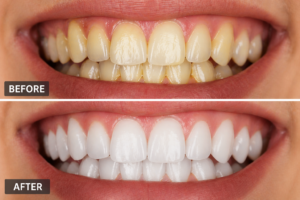
During a visit, your dentist or hygienist will:
- Remove tartar that brushing can’t
- Clean areas you might miss
- Polish your teeth
- Check for early signs of problems
Regular appointments for regular teeth cleaning help catch small issues before they turn into bigger ones.
How Often Should You Go?
For most people, every six months works well.
But that can change depending on your oral health.
| Situation | Suggested Frequency |
| Healthy teeth and gums | Every 6 months |
| Gum issues or plaque buildup | Every 3–4 months |
| Ongoing dental concerns | As advised by your dentist |
There’s no one-size-fits-all answer—but ignoring visits usually leads to more work later.
Common Mistakes That Are Easy to Fix
Sometimes it’s not what you’re missing—it’s what you’re doing slightly wrong.
- Brushing too hard
- Rushing through your routine
- Forgetting to replace your toothbrush
- Skipping flossing regularly
- Delaying dental checkups
None of these seem serious at the time, but they add up.
When Your Mouth Is Trying to Tell You Something
Sometimes it’s not obvious right away.
You might just feel like your breath isn’t as fresh as it should be, even after brushing. Or maybe you notice a bit of bleeding when you rinse and don’t think much of it. It could even be something small, like a slight yellow buildup near your gums or a quick sting when you drink something cold.
Most people brush these things off at first—and that’s completely normal.
But when these little signs start showing up more often, they’re usually not random. It often means your current routine isn’t keeping up, or your teeth need a deeper clean than what you can do at home.
Catching it early makes things much easier. Waiting usually doesn’t.
Final Thoughts
Taking care of your teeth doesn’t need to feel like a task you overthink.
For most people, it really comes down to sticking with the basics and not skipping them too often. A simple routine at home, along with regular dental cleaning and the occasional professional teeth cleaning appointment, is usually more than enough to keep things in good shape.
It’s less about doing everything perfectly—and more about doing the right things consistently.
