- November 16, 2026
- By: Admin@@SMiles0fviEr@
- No Comments
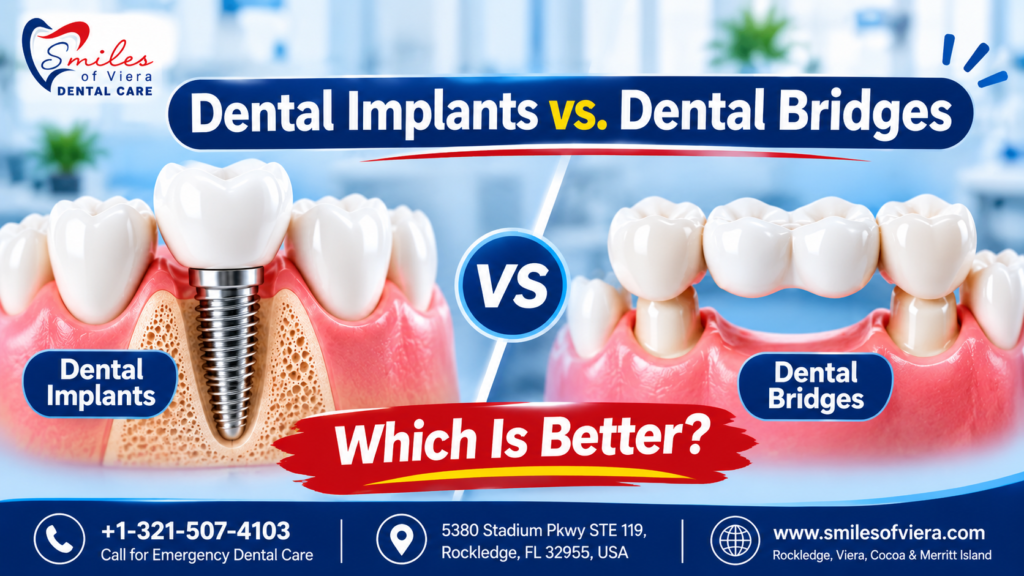
Dental Implants vs. Dental Bridge: Which Is the Better Option?
Losing a permanent tooth changes more than just your smile, it impacts your bite alignment, jawbone health, and daily confidence. For patients in Rockledge, FL, exploring missing teeth replacement options is an important step toward restoring full oral function. When researching modern restorative dentistry, two primary solutions stand out: dental implants and dental bridges.
Understanding the differences between a dental bridge vs implant is essential for making an informed decision about your long-term oral health. In this comprehensive guide, we compare durability, procedures, oral hygiene impacts, and suitability to help you determine the best path forward with guidance from the team at Smiles of Viera.
Understanding Missing Teeth and Why Replacement Matters
When a tooth is lost due to severe tooth decay, gum disease, trauma, or a failed root canal, the empty space creates a domino effect throughout your mouth. Neighboring teeth naturally begin to drift into the gap, leading to bite misalignment, uneven tooth wear, and a higher risk of future decay or gum disease. Furthermore, the underlying jawbone relies on stimulation from tooth roots to maintain its density. Without that stimulation, bone resorption occurs over time, altering facial structure.
The Patient Journey: From Consultation to Restoration
Knowing what to expect can ease dental anxiety. A standard restorative journey follows a clear clinical pathway:
- Symptoms or Concern: Noticing a missing tooth, chewing discomfort, or aesthetic changes.
- Comprehensive Dental Examination: Evaluating gum health, remaining teeth, and jawbone density using diagnostic tools like digital X-rays or 3D imaging.
- Diagnosis & Treatment Planning: Assessing whether a single implant, multiple implants, or a traditional or fixed dental bridge is most appropriate.
- Procedure & Healing: Performing necessary extractions, bone grafting (if applicable), or tooth preparation.
- Restoration Placement: Attaching the final custom crown or bridge framework.
- Follow-Up & Maintenance: Routine dental exams and professional cleanings to ensure long-term success.
What Is a Dental Bridge?
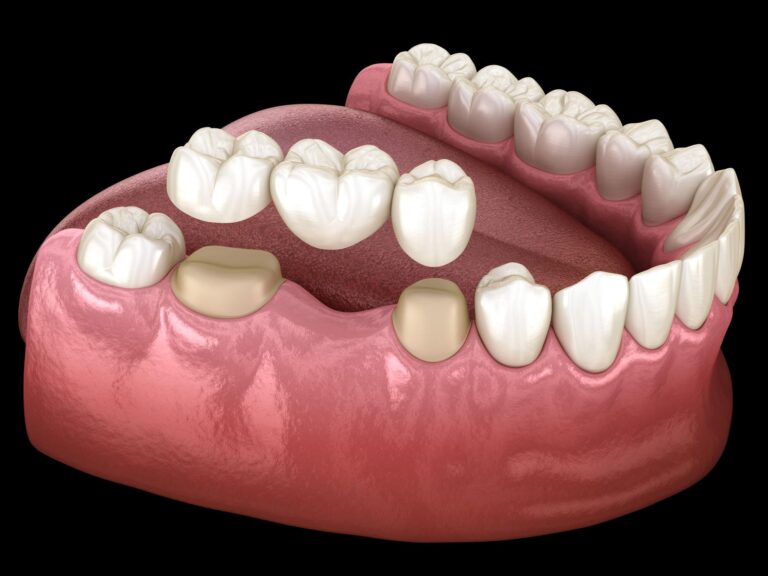
A traditional dental bridge literally “bridges” the gap created by one or more missing teeth. It consists of one or more artificial teeth (pontics) anchored securely in place by dental crowns placed on the natural teeth (abutment teeth) on either side of the gap.
- How It Works: The adjacent natural teeth are slightly reshaped to accommodate custom crowns, which permanently bond the prosthetic tooth in place.
- Materials: Typically crafted from durable porcelain, ceramic, or porcelain-fused-to-metal to match your natural tooth shade.
- Treatment Timeline: Usually completed in just two to three visits over a few weeks, making it a faster restorative option.
What Is a Dental Implant?
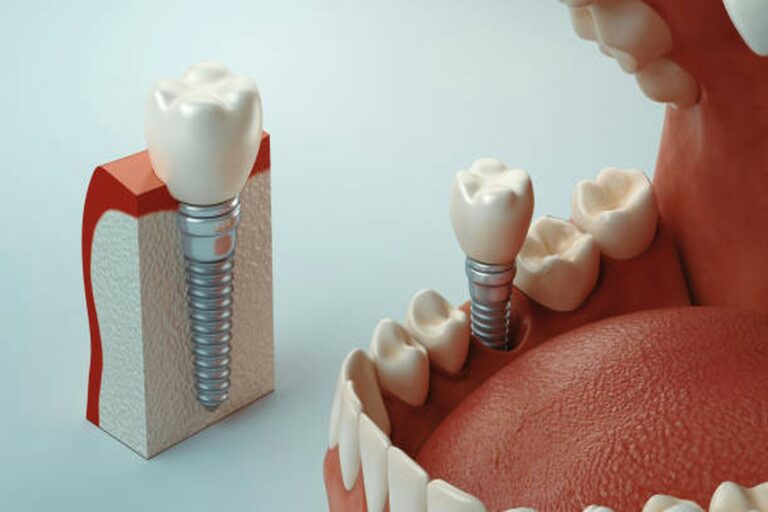
A dental implant is a permanent, standalone tooth replacement option that mimics the complete structure of a natural tooth—both above and below the gumline.
- How It Works: A small titanium or zirconia post is surgically placed into the jawbone, acting as an artificial tooth root. Over a few months, the bone fuses with the post through a natural process called osseointegration.
- The Abutment and Crown: Once healed, a small connector piece (abutment) is attached, followed by a custom-crafted dental crown that blends seamlessly with your smile.
- Preserving Bone Health: Because the implant replaces the tooth root, it stimulates the jawbone, preventing the bone loss associated with missing teeth.
Dental Implants vs. Dental Bridges: Head-to-Head Comparison
To better evaluate a dental bridge vs implant, review the key clinical and practical differences below:
| Feature | Dental Implants | Dental Bridges |
| Structure | Standalone post and crown; does not alter adjacent teeth. | Relies on adjacent natural teeth shaved down for crowns. |
| Jawbone Health | Stimulates and preserves jawbone density. | Does not stimulate underlying bone; bone loss can continue underneath. |
| Lifespan | Can last 25 years to a lifetime with proper care. | Typically lasts 10 to 15 years before requiring replacement. |
| Initial Treatment Time | Several months due to healing and osseointegration. | Faster completion, usually within a few weeks. |
| Maintenance | Cleaned similarly to natural teeth (regular brushing and flossing). | Requires specialized tools like floss threaders to clean underneath the pontic. |
Which Option Is Right for You?
Choosing between what is a dental bridge vs implant depends on several clinical and personal factors evaluated during a professional dental examination at Smiles of Viera:
- Bone Density: Dental implants require sufficient jawbone volume. If bone loss is significant, additional procedures like a bone graft may be needed, or a dental bridge may be recommended as a more immediate alternative.
- Condition of Adjacent Teeth: If the teeth neighboring the gap already require large fillings or crowns, a dental bridge provides a streamlined solution. If adjacent teeth are completely healthy, dentists generally prefer dental implants to preserve natural tooth structure.
- Medical History & Healing Capacity: Systemic conditions affecting bone healing (such as uncontrolled diabetes or heavy smoking) may influence whether an implant is the optimal choice.
- Budget and Timeline: Bridges often present a lower upfront investment and a quicker turnaround, whereas implants represent a long-term investment in durability and bone preservation.
Protecting Your Restorations: Prevention and Oral Hygiene
Whether you choose an implant or a bridge, maintaining optimal oral hygiene is critical to protecting your investment and preventing gum disease and tooth decay:
- Brush twice daily with fluoride toothpaste.
- Clean daily around your restoration using floss, interdental brushes, or specialized floss threaders designed for bridges.
- Attend regular preventive care visits and professional cleanings in Rockledge, FL, to monitor the health of your gums and supporting teeth.
What Is the Procedure for Dental Implants vs. Dental Bridges?
Understanding the treatment process can help you know what to expect before making a decision.
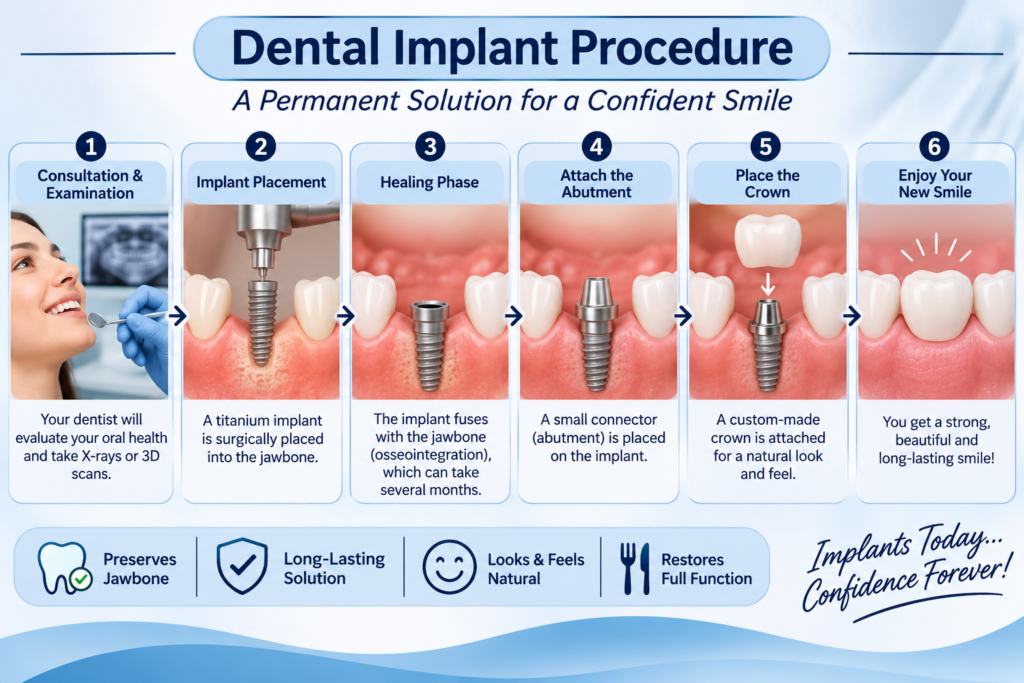
Dental Implant Procedure
A typical dental implant treatment involves the following steps:
- Dental examination: Your dentist evaluates your teeth, gums, jawbone, and overall oral health. X-rays or other imaging may be recommended.
- Treatment planning: Your dentist determines whether implant placement is appropriate and discusses any additional procedures that may be necessary.
- Implant placement: The implant post is surgically positioned in the jawbone.
- Healing period: The implant needs time to integrate with the surrounding bone. This can take several months.
- Crown placement: Once healing is adequate, an abutment and custom dental crown are attached.
The exact timeline varies depending on bone health, healing, and individual treatment needs.
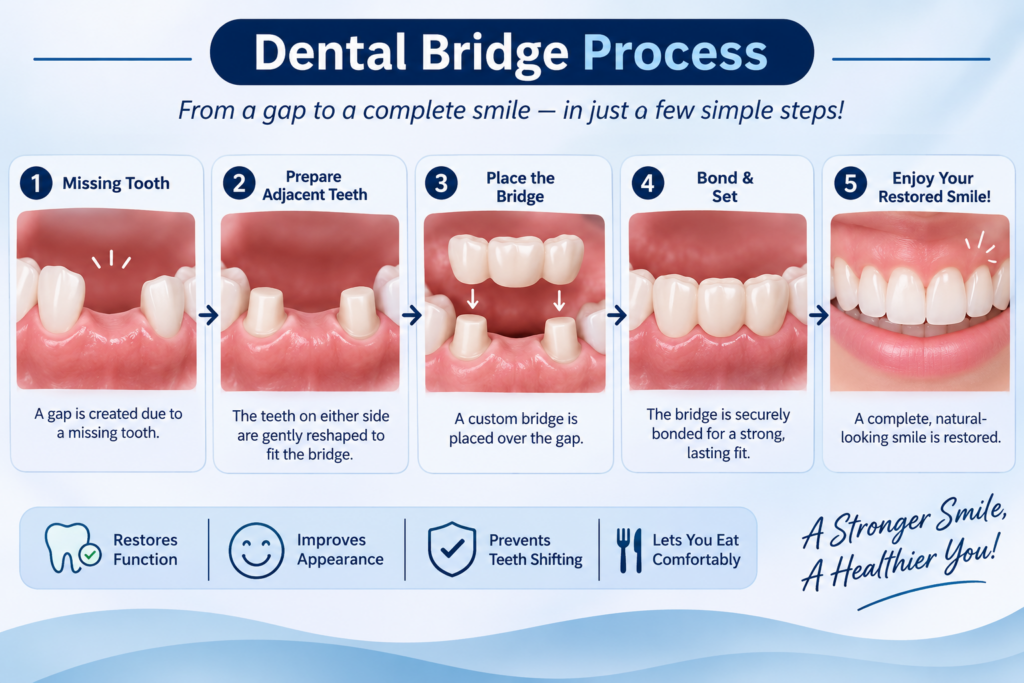
Dental Bridge Procedure
A traditional dental bridge generally involves these steps:
- Dental evaluation: Your dentist examines the missing space and the condition of the supporting teeth.
- Tooth preparation: The supporting teeth are reshaped to accommodate the crowns.
- Impressions: Dental impressions or digital records are taken to create a custom restoration.
- Temporary bridge: A temporary restoration may be placed while the permanent bridge is being made.
- Final placement: The permanent bridge is checked for fit and bite before being secured.
The process may require multiple appointments, depending on the restoration and laboratory timeline.
Explore Dental Implants and Dental Bridges at Smiles of Viera
Replacing missing teeth is an important decision that should consider both your current oral health and long-term dental needs.
At Smiles of Viera, patients can explore dental implant and permanent tooth bridge options through an individualized dental evaluation. Our team can assess your oral health, discuss available treatments, and help you understand the next steps.
If you are considering tooth replacement in Rockledge, FL, contact Smiles of Viera to schedule a dental consultation and learn more about your options.
FAQs
Which lasts longer, a dental implant or a dental bridge?
Dental implants generally last much longer, often 25 years to a lifetime, because they fuse directly with the jawbone. Traditional dental bridges typically last 10 to 15 years before they may need repair or replacement due to normal wear.
Is the dental implant procedure painful?
The dental implant procedure is performed under local anesthesia, ensuring you remain comfortable during treatment. Most patients report mild, manageable soreness for a few days following the procedure, which is easily controlled with prescribed or over-the-counter pain relievers.
Do dental bridges look natural?
Yes, modern dental bridges are custom-shaded and crafted from high-quality porcelain or ceramic to blend seamlessly with your natural teeth, providing an aesthetic and functional smile restoration.
Can anyone get a dental implant?
Most healthy adults with sufficient jawbone density and healthy gums are candidates for dental implants. Conditions like uncontrolled periodontal disease, active smoking, or severe bone loss require prior treatment or evaluation to determine suitability.
How do I clean under a dental bridge?
Because a dental bridge is anchored to adjacent teeth as a single unit, you cannot floss straight down between them. You must use specialized tools such as floss threaders or interdental brushes to clear plaque from beneath the artificial pontic tooth.
Will insurance cover dental implants or bridges?
Coverage varies significantly depending on your specific dental insurance provider and policy plan. While bridges are frequently partially covered, dental implant coverage has expanded in recent years. Our administrative team at Smiles of Viera can help verify your insurance benefits.
