- November 20, 2026
- By: Admin@@SMiles0fviEr@
- No Comments
Does Getting Dental Implants Hurt? What Patients Should Expect
Thinking about getting dental implants but worried about the pain? You are not alone. Many people consider dental implants to replace missing teeth but hesitate because they are unsure what the procedure will feel like. Questions such as whether implant surgery is painful, how long soreness lasts, and what recovery involves are completely normal.
The good news is that modern dental techniques and anaesthesia options help make implant treatment much more comfortable than many patients expect. During surgery, the treatment area is numbed to prevent pain. You may experience some pressure or movement, but you should not feel sharp pain during the procedure.
So, does dental implants hurt during or after surgery? The answer depends on your individual dental condition, the complexity of treatment, and your body’s healing response. Some patients experience only mild soreness, while others may notice temporary swelling and discomfort for a few days.
At Smiles of Viera, helping patients understand their dental treatment options is an important part of providing comfortable and personalised care. In this guide, we will explain what happens during implant surgery, what discomfort you may experience, how to manage soreness, and what to expect throughout recovery.
Does Getting Dental Implants Hurt During the Procedure?
One of the biggest concerns patients have is whether they will feel pain while the implant is being placed.
Generally, dental implant surgery is performed using local anaesthesia, which numbs the treatment area. This means you remain awake during the procedure but should not feel pain while the dentist works.
You may notice some sensations, such as:
- Pressure around the treatment area.
- Slight vibrations from dental instruments.
- Movement while the implant is being positioned.
- Mild pulling or pushing sensations.
These sensations are different from sharp pain. If you feel uncomfortable at any point, let your dentist know so they can assess whether additional anaesthesia or another comfort measure is needed.
What If You Feel Nervous About Dental Implant Surgery?
Feeling anxious before dental surgery is common, especially if you have never undergone an implant procedure before.
Your dentist can discuss ways to help you feel more relaxed, depending on your health history and treatment needs.
These may include:
- Local anaesthesia: Numbs the treatment area so you do not feel pain during surgery.
- Sedation dentistry: May help reduce anxiety and make the experience more comfortable when clinically appropriate.
- Clear communication: Understanding each stage of treatment can help reduce uncertainty and fear.
If dental anxiety is preventing you from replacing missing teeth, discuss your concerns with your dental provider before scheduling surgery.
What Happens During a Dental Implant Procedure?
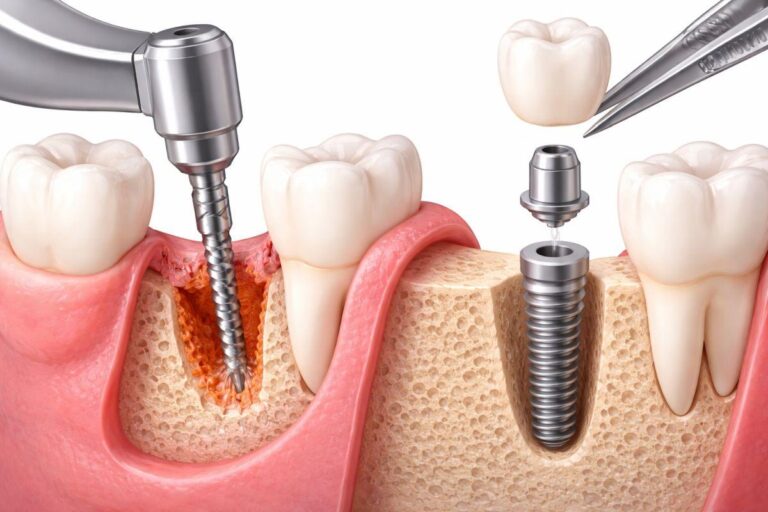
Understanding the treatment process can make the experience feel less intimidating. A dental implant procedure involves placing a small artificial tooth root into the jawbone to support a replacement tooth.
Although the exact process varies between patients, it generally involves the following stages.
Step 1: Initial Examination and Treatment Planning
Before surgery, your dentist examines your teeth, gums, and jawbone to determine whether you are a suitable candidate for dental implants.
Dental X-rays or 3D imaging may be used to evaluate bone density, identify important anatomical structures, and plan the implant position.
Your dentist will also review your medical history, medications, and oral health concerns.
Step 2: Administering Anaesthesia
Once the treatment plan is ready, local anaesthesia is administered to numb the area where the implant will be placed.
Depending on your needs, additional sedation options may be discussed to help you remain relaxed.
Step 3: Preparing the Implant Site
A small incision is made in the gum tissue to expose the jawbone.
The dentist carefully prepares a space in the bone for the implant post using specialised instruments.
Step 4: Placing the Dental Implant
The titanium implant post is positioned in the prepared area of the jawbone.
The gum tissue may then be closed with stitches, depending on the surgical technique used.
Step 5: Allowing Time for Healing
After implant placement, the jawbone gradually bonds with the implant through a natural process called osseointegration.
This process creates the stable foundation needed to support the final replacement tooth.
Step 6: Attaching the Replacement Tooth
Once the implant has healed sufficiently, an abutment and a custom-made crown, bridge, or denture can be attached, depending on your treatment plan.
You can explore the available implant dentistry services at Smiles of Viera to learn more about tooth replacement options.
Does Dental Implant Pain Occur After Surgery?
Yes, some discomfort is normal after implant placement because the procedure involves working with the gum tissue and jawbone.
Once the anaesthesia wears off, you may experience temporary soreness around the implant site.
However, the amount of discomfort varies from one patient to another.
Common symptoms include:
- Mild aching around the implant area.
- Swelling in the gums or cheeks.
- Minor bruising around the surgical site.
- Tenderness while chewing.
- Slight bleeding during the initial healing period.
In most cases, these symptoms gradually improve as the area heals.
When Is Dental Implant Pain Usually at Its Worst?
For many patients, discomfort and swelling are most noticeable during the first 24 to 72 hours after surgery.
Swelling may become more noticeable during the second or third day before gradually decreasing.
Here is a general overview of what you may experience:
| Recovery Period | What to Expect |
| First 24 hours | Anaesthesia wears off, and mild soreness or minor bleeding may occur. |
| Days 2–3 | Swelling, tenderness, and discomfort may be more noticeable. |
| Days 4–7 | Pain and swelling should generally begin improving. |
| Days 7–14 | Most initial gum tenderness and surface healing continue to settle. |
| Following months | The implant continues bonding with the jawbone. |
These timelines are general estimates. Your recovery may be different depending on the number of implants placed and whether additional procedures were performed.
How Long Does Dental Implant Recovery Take?
The dental implant recovery process happens in stages. Although the gums may begin healing within one to two weeks, the jawbone needs additional time to bond with the implant.
Understanding the difference between initial healing and complete implant integration is important.
Initial Gum Healing
During the first few days, your body begins repairing the surgical area.
Swelling, mild soreness, and tenderness are common during this stage. Many patients can return to light daily activities within a few days, depending on the complexity of their treatment.
Bone Healing and Implant Integration
After the initial healing period, the jawbone continues to grow around and bond with the implant.
This process, known as osseointegration, often takes approximately three to six months. However, some patients may require additional time depending on bone quality and individual healing.
Final Tooth Restoration
Once the implant has become sufficiently stable, your dentist can proceed with attaching the final replacement tooth.
The complete treatment timeline varies depending on whether you need one implant, multiple implants, bone grafting, or other additional procedures.
For more information, read our dental implant surgery aftercare and recovery guide.
7 Effective Ways to Manage Pain After Dental Implant Surgery
Although some soreness is expected, there are several ways to make recovery more comfortable.
Here are seven helpful tips to follow after your procedure.
1. Take Medication as Recommended
Your dentist may recommend or prescribe pain medication to manage post-surgical discomfort.
Follow the recommended dosage and instructions. Avoid taking additional medication without checking whether it is suitable for you.
2. Apply a Cold Compress
A cold compress placed gently against the outside of your cheek may help reduce swelling during the first 24 to 48 hours.
Use it in short intervals according to your dentist’s instructions. Avoid placing ice directly against your skin.
3. Eat Soft and Easy-to-Chew Foods
Choose foods that do not require excessive chewing while the surgical area heals.
Some suitable options include:
- Yogurt
- Mashed potatoes
- Scrambled eggs
- Applesauce
- Soft pasta
- Lukewarm soups
- Mashed vegetables
- Oatmeal
Avoid hard, crunchy, sticky, or very hot foods until your dentist says it is safe to return to your normal diet.
You can also explore our guide to 50 soft foods to eat after dental surgery for more meal ideas.
4. Keep Your Mouth Clean
Good oral hygiene helps protect your gums and reduce the risk of infection.
Brush your other teeth gently and avoid disturbing the surgical area. Follow your dentist’s instructions regarding rinsing and cleaning around the implant.
5. Avoid Smoking and Tobacco
Smoking can interfere with blood circulation and slow the healing process.
Avoid smoking and tobacco products during recovery. Your dentist may also recommend avoiding them before surgery.
6. Get Enough Rest
Give your body time to recover after surgery.
Avoid strenuous exercise and heavy physical activities during the initial healing period. Gradually return to your normal routine based on your dentist’s recommendations.
7. Attend Follow-Up Appointments
Follow-up visits allow your dentist to check the surgical area, monitor healing, and identify possible complications.
Even if you feel comfortable after surgery, do not skip your scheduled appointments.
What Factors Can Affect Pain During Dental Implant Treatment?
Not every patient experiences the same level of discomfort. Several factors can influence how you feel during and after treatment.
Factor | How It May Affect Discomfort |
Number of implants | Multiple implants may involve more surgical work and a longer healing period. |
Bone condition | Patients requiring additional bone preparation or grafting may need more extensive treatment. |
Gum health | Existing gum problems may need to be treated before implant placement. |
Surgical complexity | More complex procedures may involve additional tissue manipulation. |
Individual pain sensitivity | Every person responds differently to surgical treatment. |
Overall health | Certain medical conditions and medications can influence healing. |
Smoking habits | Tobacco use can interfere with healing and increase complication risks. |
Your dentist will consider these factors when developing your treatment plan and explaining what to expect.
If you are concerned about additional surgery, you can also read our guide on bone grafting before dental implants to understand when this procedure may be necessary.
When Should You Be Concerned About Pain After Dental Implants?
Mild discomfort is expected after surgery, but pain should generally improve as healing progresses.
Severe or worsening symptoms should not be ignored.
Contact your dentist if you experience:
- Pain that becomes more intense instead of improving.
- Increasing swelling after the initial recovery period.
- Persistent or excessive bleeding.
- Fever or signs of infection.
- Pus or unusual discharge around the implant.
- Persistent numbness, tingling, or altered sensation.
- An implant or temporary restoration that feels loose.
These symptoms do not necessarily mean the implant has failed, but they require professional evaluation.
If you experience significant facial swelling, difficulty swallowing, or difficulty breathing, seek urgent medical attention.
You can also read our guide on what is considered a dental emergency to understand when immediate dental attention may be necessary.
Are Dental Implants More Painful Than Tooth Extraction?
Many patients compare dental implant surgery with tooth extraction because both procedures involve the gums and surrounding structures.
However, the experience is not the same for everyone.
A simple tooth extraction involves removing a natural tooth from its socket, while implant placement involves preparing the jawbone and positioning an artificial tooth root.
Some patients find implant placement more comfortable than they expected, while others may experience greater soreness depending on the complexity of treatment.
The amount of discomfort depends on factors such as:
- Whether the extraction is simple or surgical.
- Whether an implant is placed immediately after extraction.
- Whether bone grafting is required.
- The number of teeth being treated.
- Your individual healing response.
If you are preparing for an extraction, our guide on care after dental extraction can help you understand what happens during recovery.
Why Choose Smiles of Viera for Dental Implant Treatment?
Choosing a dental provider is an important part of your implant journey. From the initial examination to post-operative care, having a clear treatment plan can help you feel more confident throughout the process.
At Smiles of Viera, patients can explore personalized dental treatment options based on their oral health needs.
Our dental surgery services include surgical treatment options designed to address different dental conditions.
Whether you are considering replacing a missing tooth, exploring implant options, or have questions about recovery, a professional consultation can help you understand what to expect.
The dental team can evaluate your oral health, discuss appropriate anaesthesia and comfort options, and explain the steps involved in your treatment.
You can also visit our frequently asked dental questions page for additional information about dental treatments.
FAQs
Does dental implant surgery hurt more than expected?
Most patients find that dental implant surgery is more comfortable than they initially expected. Local anaesthesia numbs the treatment area, preventing pain during the procedure. You may experience pressure or vibration, followed by temporary soreness once the anaesthesia wears off.
How painful are dental implants on a scale of 1 to 10?
Pain levels vary from person to person, so there is no single rating that applies to everyone. Many patients report mild to moderate discomfort after surgery, which is generally manageable with dentist-recommended pain relief. Your dentist can explain what you may experience based on your treatment complexity.
Can I go to work the day after getting dental implants?
Some patients can return to work within one or two days after straightforward implant surgery. However, more complex procedures may require additional rest. Your dentist will advise you based on the type of surgery, your recovery, and your daily activities.
Do dental implants hurt when the anaesthesia wears off?
You may notice soreness, tenderness, or mild aching once the anaesthesia wears off. This is a normal part of the healing process. Your dentist may recommend suitable medication to manage discomfort and help you recover comfortably.
Is it normal to have throbbing pain after dental implant surgery?
Some mild aching or throbbing can occur during the initial healing period. However, severe, persistent, or worsening throbbing pain should be evaluated by your dentist, as it may indicate an infection or another complication.
What happens if dental implant pain does not go away?
If discomfort persists, becomes more severe, or returns after initially improving, contact your dentist. Persistent pain may be associated with infection, inflammation, healing problems, or other complications that require professional evaluation.
